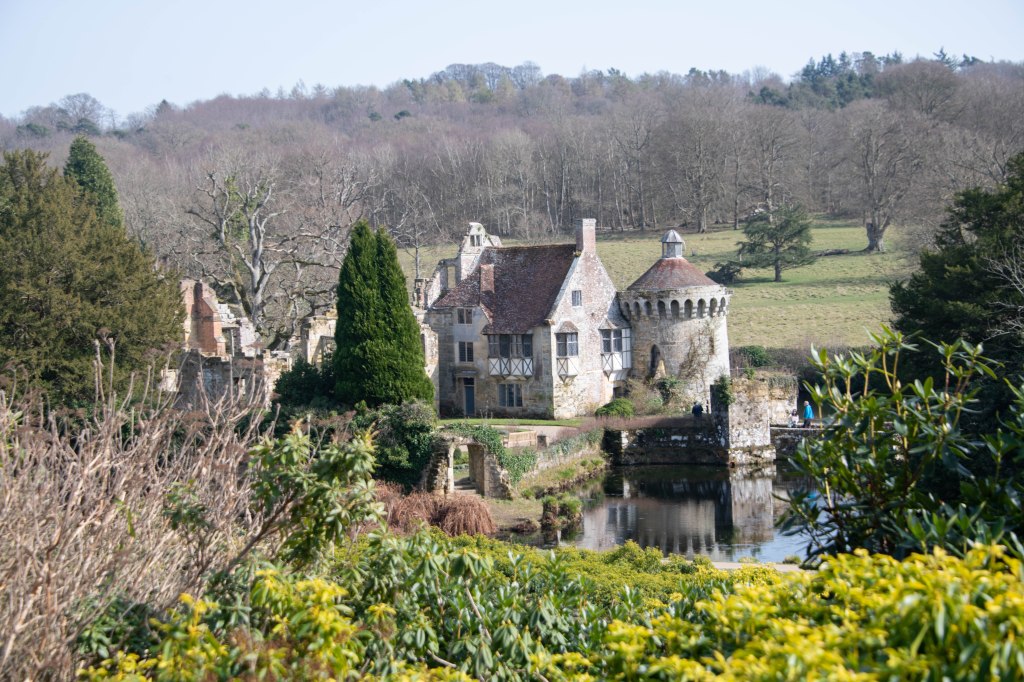
If ours turned ancient walls by time for stood staunch against all dragons;
ricocheted their munition to flint for hearths and their tails to pearly wagons;
delivered scales of justice to the greys to dare try to usurp us from our thrones,
they’d home our alchemy in wood and stone, past did enobled tomb, our dust and bones.
And poets would come to come only to touch them and dream of who there loved once,
as our aftermath would to warm current flowing from weathering rock still lofting our ages-defiant sconce.

If our arms bore ample strength to vanquish the remaining feral beast,
no matter the depth of coin within our coffers, our coiled life- one lavish feast.
For if ever copper platters were left clear of bread and bronze chalices dry of wine,
we’d lie still awake in dream each full lucid night sated by richer fruits of our currant bind.
But if ever platinum crowns were seen fit for our fingers akin worn sterling scepters of our grasp,
so too paled to garish tin held to the golden glow of our ivory-entwined alabaster clasp.

If our oaken door met battering force so fortified by wills of faith-forged irons;
conveyed a bemusing trio of cubs as if roared in only the facade of mighty lions;
beyond it, I’d don my custom jester’s dress oft just to regift you merrier mirth,
yet drape you under each silver veil of moon nearer befitting our swath of starlit earth.
And ever when dark stripped naked your fool, I would never view you plain as unclad of robes,
or any cross riddle too cryptic to
aim any lower than
dead center of your codes.

But our fence of water turned foe by torrents risen to a crack in your limestone-
its pillar, exposed fast as sand, eroded til mine, standing fast still, stood alone.
Barren grips unleashed your claws, overstrained simpers bared your fangs,
your ashened eyes banished icy blue flames to chest and you unfurled swift beating wings,
as your gaunt sheath shed in recoil of a second pail just countered in your back-scarring stab to foist all toil on mine
and your accent struck then foreign for its forked indifference to prevailing dripped my now laced resonant chime.
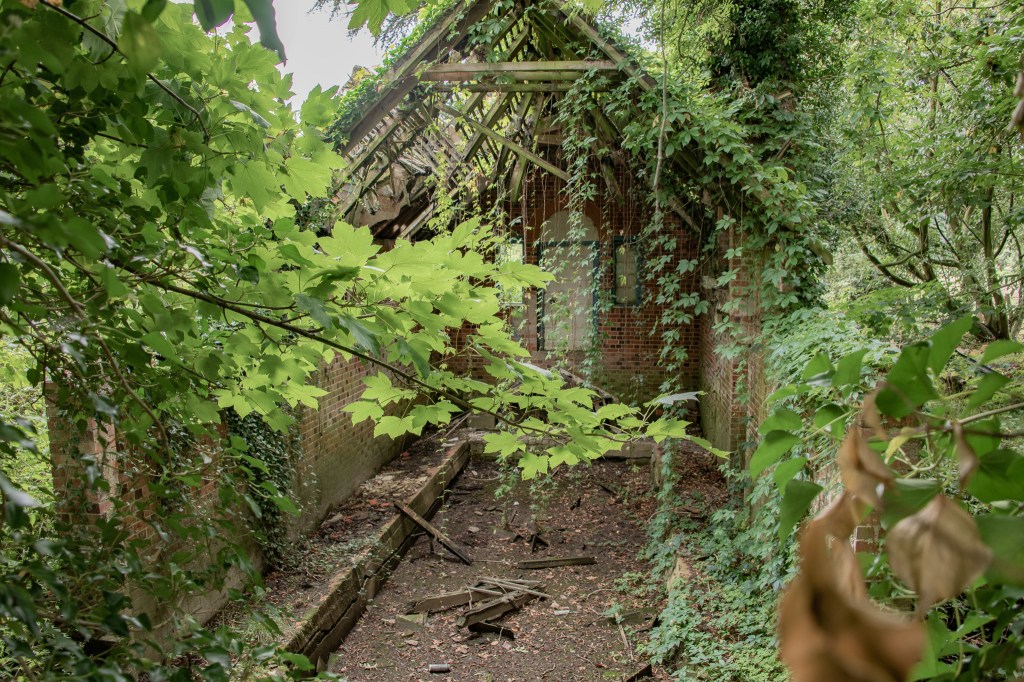
In its ruins my mind wars visions yet captive by the mirage of a nigh white tower
where I had in spiral flailed for eave of capstone step til knell first tolled our final hour.
My nicked steel so rendered potent for naught but levying rote cuts to my own quick-
as a burning stake for sights short in my quest to fan biding fire to our dank untethered wick.
So had I favored my heralded king, no thorns of crimsoned-snow omens held forth in love’s courting offer,
bode the talons to best my resolute shield lurked too within your shining deflective armor.
________________________________________________________________
*”Wagons” was the only workable rhyme I could come up with for “dragons”, and the only one offered by rhymezone.com, so I felt I had no choice despite it sounding cheesy even to me, who dabbles in cheesy with unabashed-ish abandon. In retrospect, I thought of a few more options that I didn’t before, and that the website also somehow overlooked, but I’d have to redo too much to undo the damage already done. And I do like the visual of the dragon’s tail attacking and then rebounding off impenetrable walls; inadvertently protecting them further by wiping out other advancing enemies. But the choice was validated, and my creativity further discredited, in discovering that I am far from the first to pair them, as multiple past and modern poetry-/song-writers have before, including the “slightly less esteem-worthy” (cough) poet, William Yeats. I’m singling him out because he uses the term “pearly wagons” in his poem, “The Realists”, and I filched the adjective from him as an homage to someone who (in reality) I bow down low to. He doesn’t use it as a descriptor of the beast’s tail; instead more literally as something sea-nymphs are occupying (he covered far more mythical ground (or ocean?) in his, it seems), but I thought “pearly” was an appealing adjective to suggest rather iridescent scales. Incidentally, I also worked in a few subtle Tudor references in the poem, that probably only I would get, so liked it for doubling as a fairly silent homage to Anne Boleyn’s infamous necklace. She was the subject of Guiltless Ghost, another of my poems, for being a long-term source of fascination for me, and I spent a lot of time with her while working on that project so she has popped up, subtly and not so subtly, in a few other pieces. I discovered, also after the fact, that there is also a famous Chinese legend about a dragon and a pearl. I could spin its underlying themes as applicable added depth to my meanings, in an arguably supportable way, but can’t claim that layer was by design. So any cultural appropriation here was also not intentionally done. However, the slight plagiarism (I believe slight enough to be legal, ethical, and respectful?) of Yeats’ work was partially, so I wanted to give him his due credit, as I have whenever I’ve paid similar homages to other writers in my phrasings. Despite the fact that they would all likely roll over in their graves (or will, hopefully long from now, if not already in one…) to be dragged down into my level of work, especially as it’s a far cry from their own. But I mean it ever as a show of admiration, and my hope is that intentions go a long enough way to offset the insult of my association to their legacy. And now I’ve written more about my use of two or three words than I did in the whole of my poem… I like words and am not afraid to use them!
**I have since come to learn that Yeats also used “once” and “sconce” as a rhyming couplet in his poem, “The Tower”, which is, ironically, the only pairing of mine that makes me cringe more than the dragon/wagon one (side-eyeing “clasp/alabaster grasp” in suspicion here). In his defense, he did it much better. In my defense, this bit of thievery was entirely unintentional. I had not read many (any?) of his poems before, including the two mentioned here, but am starting to suspect he and I may cross paths again.
 Alchemist's Pen
Leave a comment